Welcome
A reference library for the cartomantic arts
OracleNova is a free, encyclopaedic reference for oracle and divination cards. We document each deck card by card — meanings, combinations, historical context and reading practice — without dogma and without paywalls on the substance.
Five oracle systems are covered in depth: the 36 cards of the Lenormand, the 53 cards of the Belline, the 57 cards of the Triade, the 44 lunar phases of the Moonology and the 44 illustrations of Work Your Light. Each card has its own page, in seven languages.
Today
Card of the day
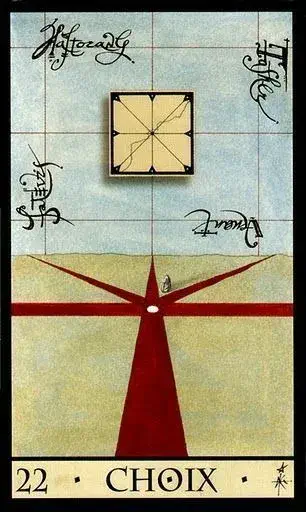
Oracle de la Triade · Card #22
Choice
“The crossroads where will meets destiny — in choosing we reveal who we truly are”
The same card is drawn for everyone today — a shared invitation to pause and read.
Read the card→The Oracles
Explore Our Collections
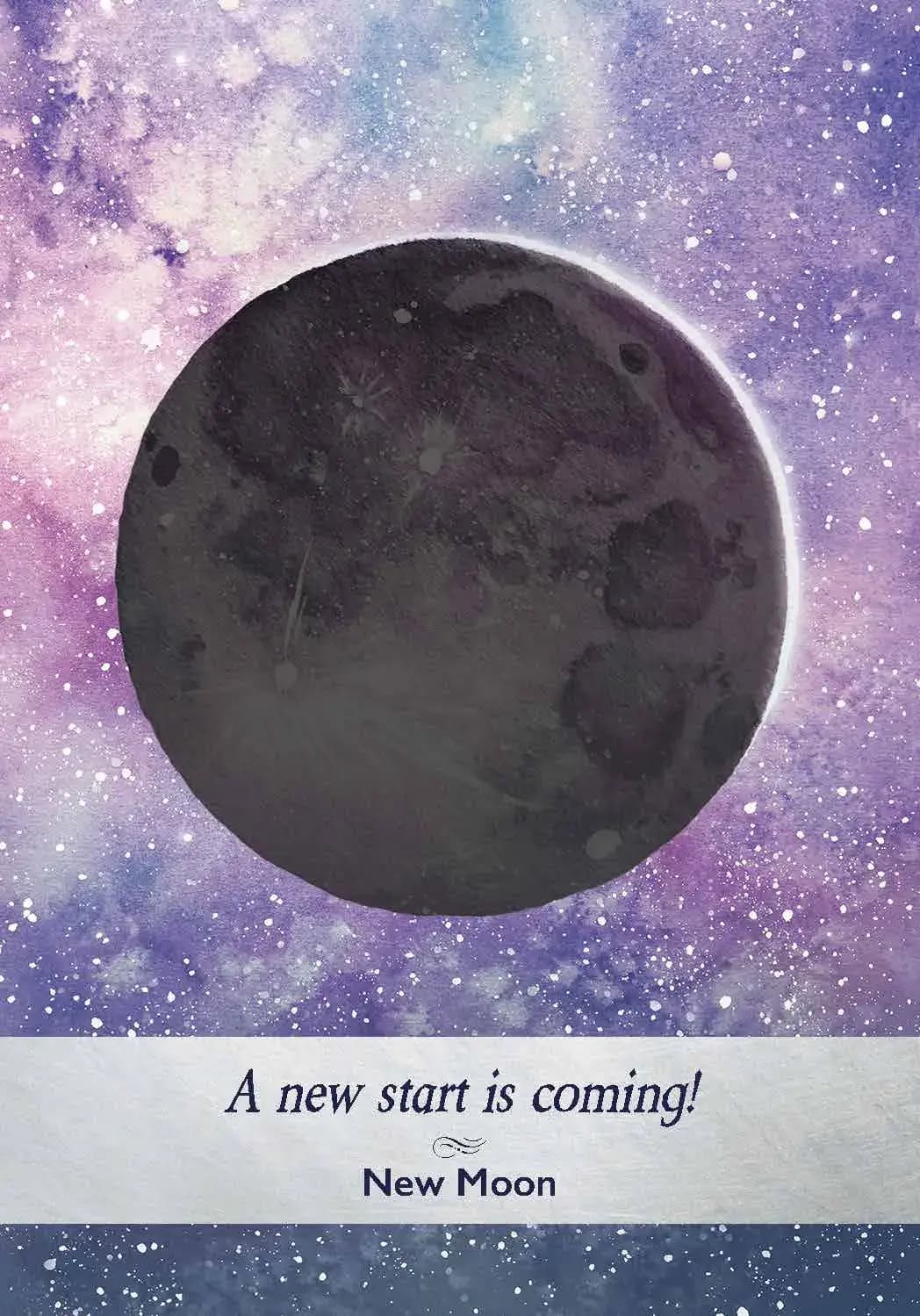
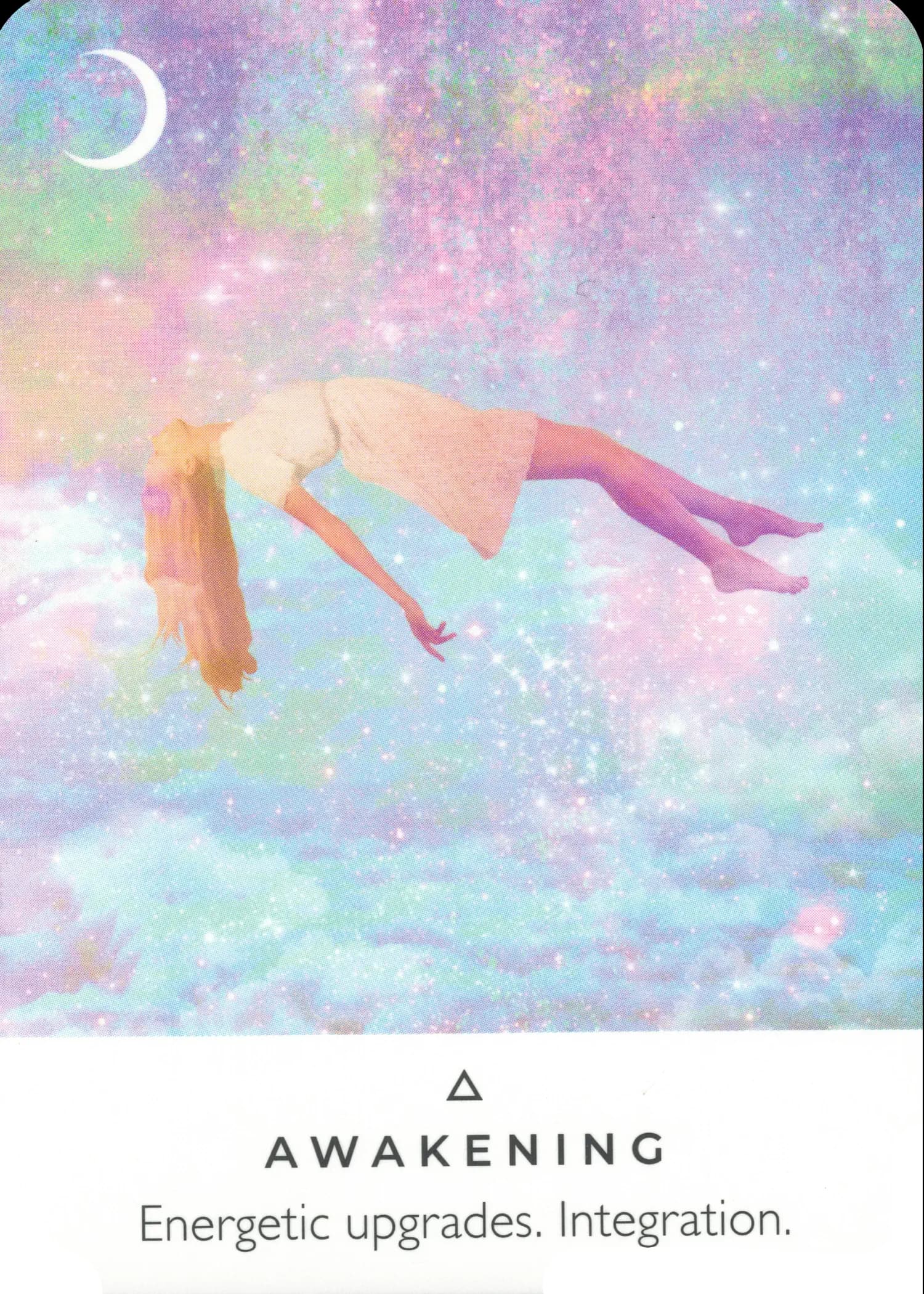
Premium
Unlock advanced spreads & readings
Save your readings, unlock the Grand Tableau and detailed combination interpretations.
See pricing →Questions
Frequently asked questions
What is an oracle deck, exactly?
An oracle deck is a set of cards used for guidance and introspection. Unlike tarot — whose structure (22 major and 56 minor arcana) has been fixed since the 15th century — every oracle defines its own language: 36 cards for the Lenormand, 53 for the Belline, 44 phases for the Moonology. A reading becomes a mirror that lights a situation from an unexpected angle.
How does an oracle differ from tarot or the I Ching?
Tarot follows a codified structure (Marseille, Rider-Waite, Thoth). Modern oracles are contemporary creations — freer, more thematic. The Chinese I Ching is older still (~1200 BCE) and is not drawn with cards but with 64 hexagrams built from coin tosses or yarrow stalks.
Do I need to be psychic to read the cards?
No. A useful reading rests on two accessible skills: knowing the meaning of each card (we provide that, card by card) and reading symbolic combinations. Regular practice develops intuition. OracleNova emphasises card meaning over mysticism.
Which oracle should I start with?
The Lenormand is often recommended for beginners: 36 cards with a concrete vocabulary (house, heart, ring…) that is easy to memorise. The Belline appeals to readers familiar with astrology. The Moonology suits anyone who tracks the lunar cycle. The I Ching is for those seeking philosophical wisdom rather than a Western-style oracle.
Are the readings on OracleNova reliable?
Our draws are deterministic — the randomness is mathematical (a transparent PRNG), with no manipulation. The real reliability comes from your reading: the same card shifts meaning by context. OracleNova provides the material — meanings, combinations, examples — but the final interpretation stays yours.
Are the meanings the ones from the official publishers?
We synthesise the most established sources — Marie-Anne Lenormand, Edmond Billaudot for the Belline, Yasmin Boland for the Moonology, classic translations of the I Ching — without locking onto a single school. Each card page lists its references. This is informed reading, not dogma.