Oracle Reference
Lenormand Oracle
Traditional 36-card oracle — complete meanings, symbolism and combinations
The Lenormand deck is the most concrete cartomancy tradition still in active use. Born in 19th-century Germany from the "Game of Hope" by Johann Hechtel, it was renamed in honour of Marie-Anne Lenormand (1772–1843), the famous French fortune-teller who read for Napoleon, Joséphine, and most of the post-revolutionary Parisian elite. Its 36 cards each represent a single, unambiguous symbol — a house, a heart, a ring, a coffin — and they read together in chains and grids rather than in isolation. This makes the Lenormand uniquely suited to questions of daily life: a relationship, a job, a move, a piece of news. It rewards literal reading over psychological interpretation, and beginners often find it easier to learn than the tarot. The Lenormand has a thriving modern community: in Germany and Brazil it never stopped being a household deck, in the English-speaking world it has been rediscovered through Caitlín Matthews, Rana George, and Andy Boroveshengra, and a steady stream of indie illustrated decks keeps appearing each year. Below you will find the full card library — meanings card by card, every combination written out, history, beginner guide, an interactive draw and a flashcards mode. Everything is free; nothing is paywalled on the substance of the oracle.
Explore
Card Reference
See all 36 cards →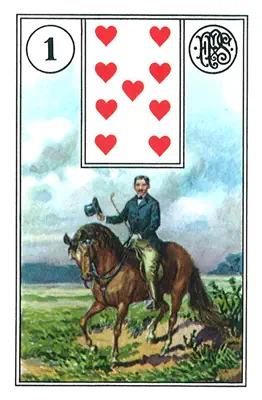
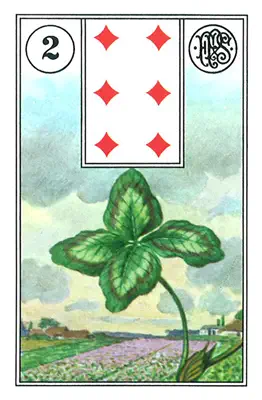
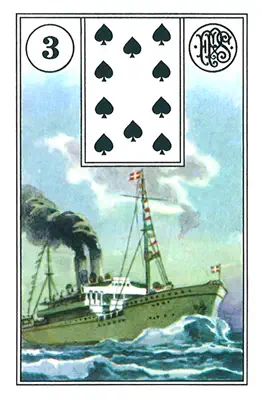
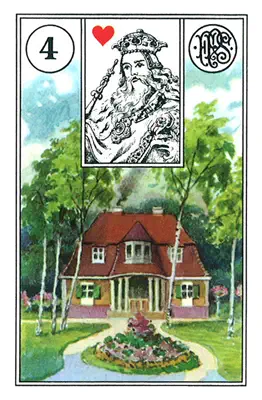
Alphabetical Index
Direct links to every card and its combinations page.
- Rider· combos
- Clover· combos
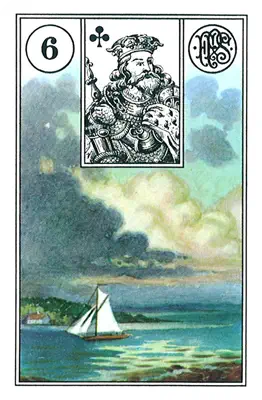
- Ship· combos
- House· combos
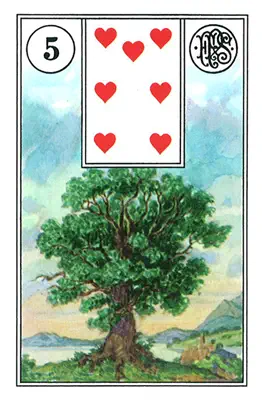
- Tree· combos
- Clouds· combos
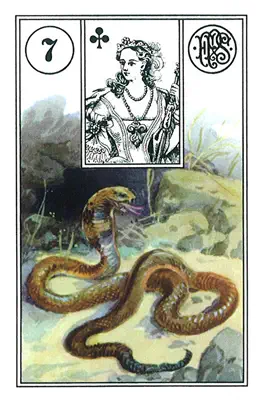
- Snake· combos
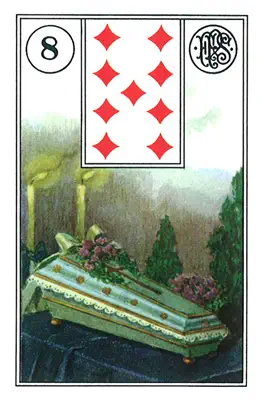
- Coffin· combos
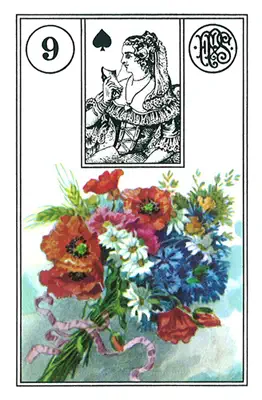
- Bouquet· combos
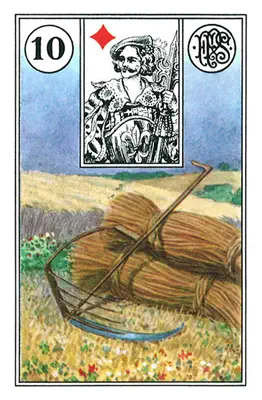
- Scythe· combos
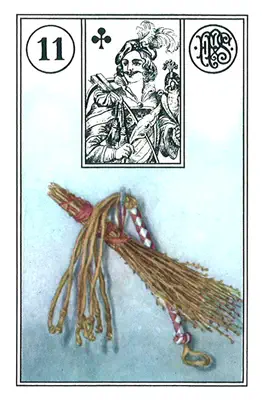
- Whip· combos
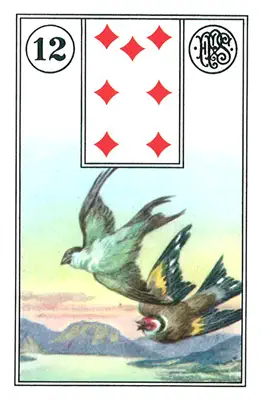
- Birds· combos
- Child· combos
- Fox· combos
- Bear· combos
- Stars· combos
- Stork· combos
- Dog· combos
- Tower· combos
- Garden· combos
- Mountain· combos
- Crossroads· combos
- Mice· combos
- Heart· combos
- Ring· combos
- Book· combos
- Letter· combos
- Man· combos
- Woman· combos
- Lily· combos
- Sun· combos
- Moon· combos
- Key· combos
- Fish· combos
- Anchor· combos
- Cross· combos